
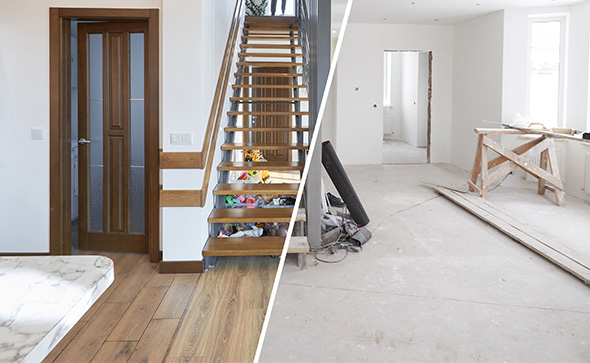
A sturdy foundation isn’t glamorous, yet it quietly holds every wall, floor, and beam in place. When that base weakens, the price of fixing floor tiles or repainting walls balloons because the real trouble sits underfoot. Acting early turns a looming overhaul into a manageable project. Think of it like filling a small pothole before it wrecks your suspension—only the “suspension” here is your whole house. In regions with seasonal rains and freeze-thaw swings, foundations face constant movement that widens hairline cracks faster than most owners realize. By spotting, sealing, and strengthening those gaps now, you avoid the domino effect that forces costly roofline straightening, drywall replacement, and door rehanging later. Early repair means shorter crews on-site, smaller material orders, and—most importantly—more money left in your pocket for upgrades you actually want.
Small Cracks Today, Huge Savings Tomorrow Later
Tiny fissures rarely scream for attention, yet they tell a serious story. A quarter-inch opening might seem harmless until moisture slips in, freezes, and expands. That action widens the gap, sinks one corner, and starts a ripple that warps window frames. Preventing that chain reaction costs a fraction of the later carpentry work.
- Average cost curve: crack injection runs a few hundred dollars, while major settling repairs can cross $15,000.
- Timeline advantage: sealing early often finishes in one day, sparing weeks of dust and noise.
- Insurance factor: Many policies exclude damage labeled “neglect,” so early action protects coverage.
Epoxy or polyurethane injections bond the concrete and restore load paths. Once cured, those resins flex with seasonal shifts, halting further spread. Pair crack sealing with exterior grading so rain drains away; you slash two big drivers of interior renovation bills before they even start.
Soil Movement Science Explains Hidden Structural Strain
Your foundation sits on soil layers that never rest. Clay swells with rain, contracts in drought, and exerts sideways pressure called “active earth load.” Over decades, this push bows basement walls and drops interior slab sections.
- Plasticity index: clays above PI = 25 swell enough to raise footings an inch or more.
- Bearing capacity loss: waterlogged silt drops strength by up to 40 %, letting walls settle.
- Shear stress pattern: uneven wetting causes differential movement and cracking of floor joists.
Engineers fight these forces with under-slab piers, helical anchors, and soil stabilization grout. Piers shift weight to deeper, stable layers, stopping tilt before drywall seams split. Grout injections fill voids, raising sunken walkways without pricey tear-outs. By learning basic soil behavior, owners can spot warning signs—sticking doors, stair-step brick lines—and stop “silent” soil motion before renovation budgets explode.
Moisture Control: First Defense Against Costly Shifts
Water is the chief enemy of stable concrete. Too much saturates soil and lifts the footing; too little dries clay, causing shrinkage. Keeping moisture in a narrow band guards against both extremes.
- Gutter math: one inch of rain on a 1,500 sq ft roof dumps nearly 940 gallons beside your footing.
- Hydrostatic pressure: Every extra foot of groundwater height adds about 60 pounds per square foot against basement walls.
- Vapor drive: damp soil pushes water molecules inward even without visible leaks, feeding mold and weakening framing.
Tools for balance include perimeter French drains, sump pumps with battery backup, and soil-slope adjustments of at least six inches over ten feet away from the house. A simple downspout extension—costing less than a dinner out—often prevents the seepage that rots floor plates and demands entire room remodels. You cut future renovation costs by managing Mother Nature’s most relentless force.
Smart Reinforcement Methods Keep Floors Level Longer
When movement hits, reinforcement saves what’s already built. Carbon-fiber straps, steel I-beams, and helical tie-backs give walls and footings the strength they lacked at first pour.
- Carbon-fiber tensile strength: up to 10 times that of steel per pound, yet thin enough to paint over.
- Helical tie-back pull: each anchor can resist 30,000 pounds, halting wall rotation.
- Beam spacing rule: Place steel beams every six feet, cutting bowing by more than half.
Installers grind the wall surface, bond straps in epoxy, and anchor them at the top and bottom. The process leaves zero interior bulk, preserving square footage. For sinking porches, adjustable steel piers lift and lock slabs within hours. Catching deflection under 2 inches means reinforcement; pass that, and you might need wall replacement—an order of magnitude pricier. Smart support now equals level floors later without tearing out hardwood or kitchen cabinets.
Budget Forecasting Starts With Accurate Repair Data
Home maintenance fights for dollars with vacations and college funds, so knowing real repair costs keeps priorities clear. A detailed foundation report breaks down the numbers and guides future spending.
- Load analysis charts outline how many piers each wall needs, avoiding guesswork.
- Moisture meter logs track seasonal swings, telling you whether to budget for drainage extras.
- Settlement mapping uses laser lines to spot trends long before tiles crack.
With clear data, you can schedule phased work: seal cracks this year, install drains next spring, add piers if movement hits a set threshold. Breaking jobs into stages trims loan interest and spreads labor bills. Educated planning often saves 20–30 % over last-minute fixes driven by emergency rates. When you treat your home like a small business, early numbers beat late surprises every time.
Energy Bills Drop When Foundations Stay Intact
A tight foundation closes gaps where conditioned air sneaks out. Even small separations around sill plates invite drafts that push heaters and air conditioners to run longer.
- Heat-loss estimate: a ⅛-inch, 50-foot crack leaks roughly as much heat as a bedroom vent left open all winter.
- HVAC runtime rise: every degree of indoor drop can lift system runtime by 5 %.
- Air-sealing return: studies show crack sealing can reduce annual energy costs by $200–$400 in cold climates.
Repair crews use foam backer rods and sealants to close rim-joist gaps after structural fixes. They then insulate with spray foam or rigid board, locking savings in place. Lower utility bills add to avoided renovation costs—money that would have gone toward new ductwork or oversized furnaces needed to compensate for leaks.
Your Next Step Toward Long-Term Home Savings
A sound foundation doesn’t just hold your house steady—it shields every future project from needless waste. By tackling small cracks, balancing soil moisture, and reinforcing weak spots with proven materials, you turn big-ticket renovations into routine upkeep. Clear data and phased plans keep budgets on track, while lower energy bills sweeten the payoff. If your floor feels uneven or your basement shows step-like cracks, don’t wait. Heritage Masonry and Construction specializes in early foundation repair that trims tomorrow’s costs today, letting you invest in upgrades you’ll enjoy rather than fixes you must endure.